

Solar panel cleaning in Pakistan comes down to a few safe habits: clean early in the morning or in the evening when the glass is cool, loosen dirt with plain water and a soft brush, keep any pressure-washer nozzle well back on a wide fan spray, and never stand on the panels. Before you use a pressure washer on panels at all, check what your panel maker's warranty and cleaning instructions allow.
This is the season to get it right. From around November into January, smog settles over much of Punjab, and its particles mix with morning dew to leave a grey film on rooftop panels. In summer, dust storms (aandhi) do the opposite: a layer of dry grit in one afternoon. With so many homes now running on rooftop solar, cleaning the panels has become a regular household job. The common mistakes are easy to avoid once you know them: cold water on hot glass at noon, washing powder, hard brushes and walking on the panels.
Why Dirty Panels Matter, and What Cleaning Can't Fix
Panels make power from the light that reaches the cells. Dust, smog film and bird droppings block some of that light, so dirty panels produce less than clean ones. Bird droppings deserve quick attention because they block light completely on the patch they cover.
Be realistic about winter, though. Output falls in December for reasons no amount of cleaning will change: the sun sits lower, the days are shorter, and smog and fog in the air cut sunlight before it ever reaches your roof. Clean panels help, but they won't give you June numbers in December.
Your inverter app is the best guide. Compare clear, sunny days with each other. If a clear day after the panels have had a few smoggy weeks looks noticeably weaker than a similar clear day just after the last clean, it is time to clean again.
Before You Start: Warranty, Installer and Electrics
- Read the maker's instructions. Panel makers' manuals and warranty terms often say how panels may be cleaned, and some restrict pressure washers, chemicals or hard brushes. If you don't have the documents, ask your installer.
- Panels are live in daylight. They generate electricity whenever light hits them, even with the inverter switched off. Don't touch, spray or pull at cables, connectors or junction boxes.
- Follow your installer's shutdown advice. Many installers recommend switching the system off before washing; ask yours how.
- Keep water off the inverter, the DB and any outdoor isolator boxes.
- Don't clean a damaged panel. Cracked glass, scorch marks, loose cables or water inside a junction box are a job for your installer.
Roof Safety Comes First
- Never walk, kneel or sit on panels, and don't lean ladders or put buckets on them. Weight on a panel can crack the cells inside without visibly breaking the glass.
- Work from the roof surface. If you can't reach a row from a stable footing, use a long-handled brush or call a cleaning service rather than climbing onto the frame.
- Watch the edges. Many Pakistani roofs have low or no parapets, and wet concrete, algae and tin sheds are slippery. Stay well away from the edge and have a second person with you.
- Pick the weather. Don't clean on windy days or when rain or thunder is coming.
- Mind the heat. In summer, roof surfaces get very hot by mid-morning. Go up early and drink water.
When to Clean: Cool Glass, Early or Late
Clean in the early morning or the evening, when the panels are cool. Cold water on hot glass is a sudden temperature shock you don't want, and at midday water dries in seconds and leaves spots. In smog season, morning dew can soften the film before you start, which makes early morning the easiest time.
There is no fixed schedule that suits every roof. Clean when you can see a film or dust layer, or when your inverter readings tell you to. In practice that tends to mean more often during smog season and after every dust storm, once the dust has settled. Don't count on rain: in dusty months a light shower often leaves dried muddy streaks rather than clean glass.
How to Clean Solar Panels Safely
- Look first. Check for cracks, scorch marks and loose cables. If you find any, stop and call your installer.
- Remove loose dry dust first with a soft brush or a blower on a low setting, so you aren't grinding grit into the glass when you add water.
- Rinse with plain water from a hose at normal tap pressure.
- Wash gently with a soft brush, sponge or microfibre mop on a pole, using plain water. Use a cleaning product only if the panel maker allows it. Avoid washing powder, detergents, acids, abrasive cleaners, steel wool, hard brushes and scrapers.
- Soak stubborn spots. Wet bird droppings and dried mud, wait a few minutes, then wipe. Don't scrape.
- Finish with a clean rinse. If your boring water leaves white marks on a car, it will leave them on panels too, so use softer water for the final rinse if you can.
- Let the panels dry, then switch the system back on the way your installer showed you, if you switched it off.
Using a Pressure Washer on Solar Panels
Only if your panel maker's warranty and instructions allow it, and then with care:
- Wide fan spray only. Never a pencil or narrow jet on the glass.
- Keep the nozzle well back from the glass, and let the spray sweep across the panel rather than hitting it head-on.
- Stay off the edges and the back. Never aim at the seals where the glass meets the frame, the junction box, the cable connectors or the underside of the panel.
- Plain water, no foam. Leave the foam bottle off unless the maker allows a specific product.
- Keep the machine and plug dry, on an earthed socket, and route the hose and cable away from the panel wiring.
- No tap on the roof? Both of our pressure washers are listed as self-priming, so they can draw from a bucket or drum. Never let them run dry.
Where Our Tools Help
| Tool | Price | Where it helps |
|---|---|---|
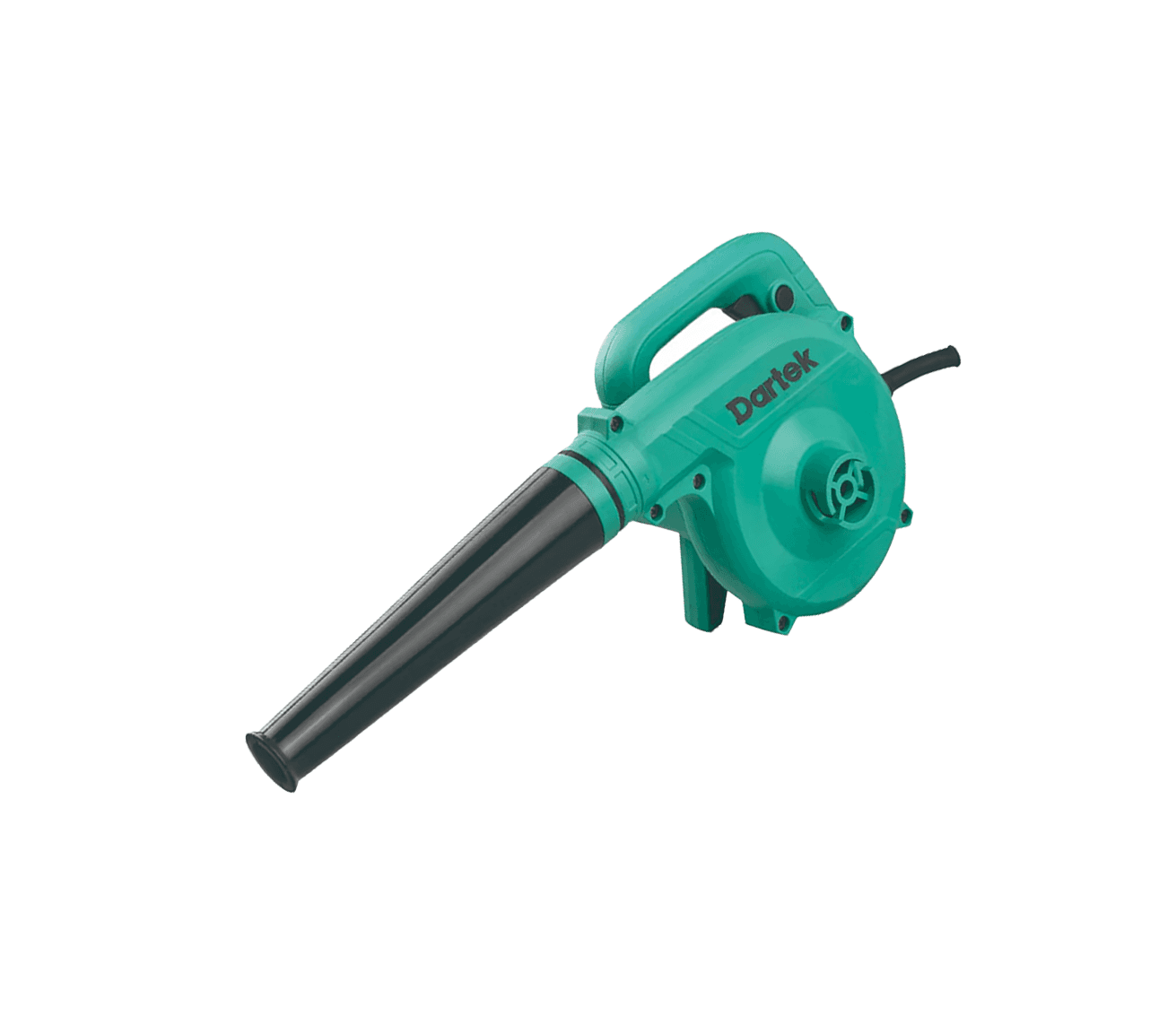
| Dartek 680W Variable Speed Air Blower | Rs 8,150 | Dry dust after a storm, on a low setting; inverter vents |
| Dartek 680W Air Blower PBL01-32 | Rs 7,300 | Dry dust at full power from a distance; inverter and AC vents |
| Moko High Pressure Washer | Rs 14,000 | Wide-fan rinse where the maker allows; roof floor, drains, AC outdoor unit |
| De-Wolt DWE1600 High Pressure Washer | Rs 21,000 | As above, with a built-in pressure gauge (limited stock) |
| High Pressure Washer Short Spray Gun | Rs 2,200 | Low panels on porch or ground frames; roof floor and drains |
Punjab Tools prices, October 2026. Check the product page for today's price.
Blowers. Dry, loose dust after an aandhi is best removed dry, because wiping gritty dust with a cloth risks scratching the glass. The variable-speed Dartek blower can be turned down for this. The PBL01-32 listing names solar inverters among its uses, so it also clears dust from the inverter's vents without opening the unit. A blower won't lift smog film or bird droppings; that still needs water. Our electric air blower guide compares the two.
Pressure washers. The Moko has an adjustable lance that twists from a pencil jet to a wide fan; on panels, use the fan only. The De-Wolt DWE1600 adds a pressure gauge. Either one is more useful for the roof around the panels, the drains and the AC outdoor unit than for the glass itself. Our pressure washer price guide covers both machines.
Short spray gun. To be straight with you: for the glass, the long lance is better, because it keeps the nozzle further back. The short gun earns its place on low panels mounted on a porch or ground frame where you can stand back comfortably, and for washing the roof floor and drains afterwards. Our short gun guide covers checking it fits your machine.
Shop · dust blower
Dartek
Dartek 680W Electric Air Blower PBL01-32 | 16,000 RPM Single Speed Dust Blower

Dartek
Dartek 680W Variable Speed Electric Air Blower & Vacuum Cleaner | Heavy Duty Dust Blower
Shop · pressure washer machine

Don't Forget the AC Outdoor Unit
Smog and dust settle on everything on the roof, including the split AC outdoor units that often sit beside the panels. If you use an inverter AC for heating in winter, its outdoor unit is working all through smog season. Switch it off at the breaker, blow loose dust out along the fins, and wash caked grime with a wide fan spray from a distance.
When to Call Your Installer or a Cleaning Service
- Panels on steep, high or parapet-less roofs, or on raised structures you can't reach from a stable footing.
- Cracked glass, scorch marks, loose cables or water inside a junction box.
- Large arrays, such as tube-well or commercial systems.
- Output that stays low on clear days even after a careful clean.
For general safety habits with any power tool on a roof or site, read our power tool safety guide.
Our Recommendation
For most rooftop systems, solar panel cleaning in Pakistan needs nothing more than a soft long-handled brush, plain water and an early start. Add a blower if your area gets regular dust storms, and use a pressure washer only where your panel maker allows it, on a wide fan and well back from the glass. Keep off the panels, keep water away from the electrics, and call your installer for anything that looks damaged. We deliver blowers and pressure washers nationwide from Lahore with cash on delivery.