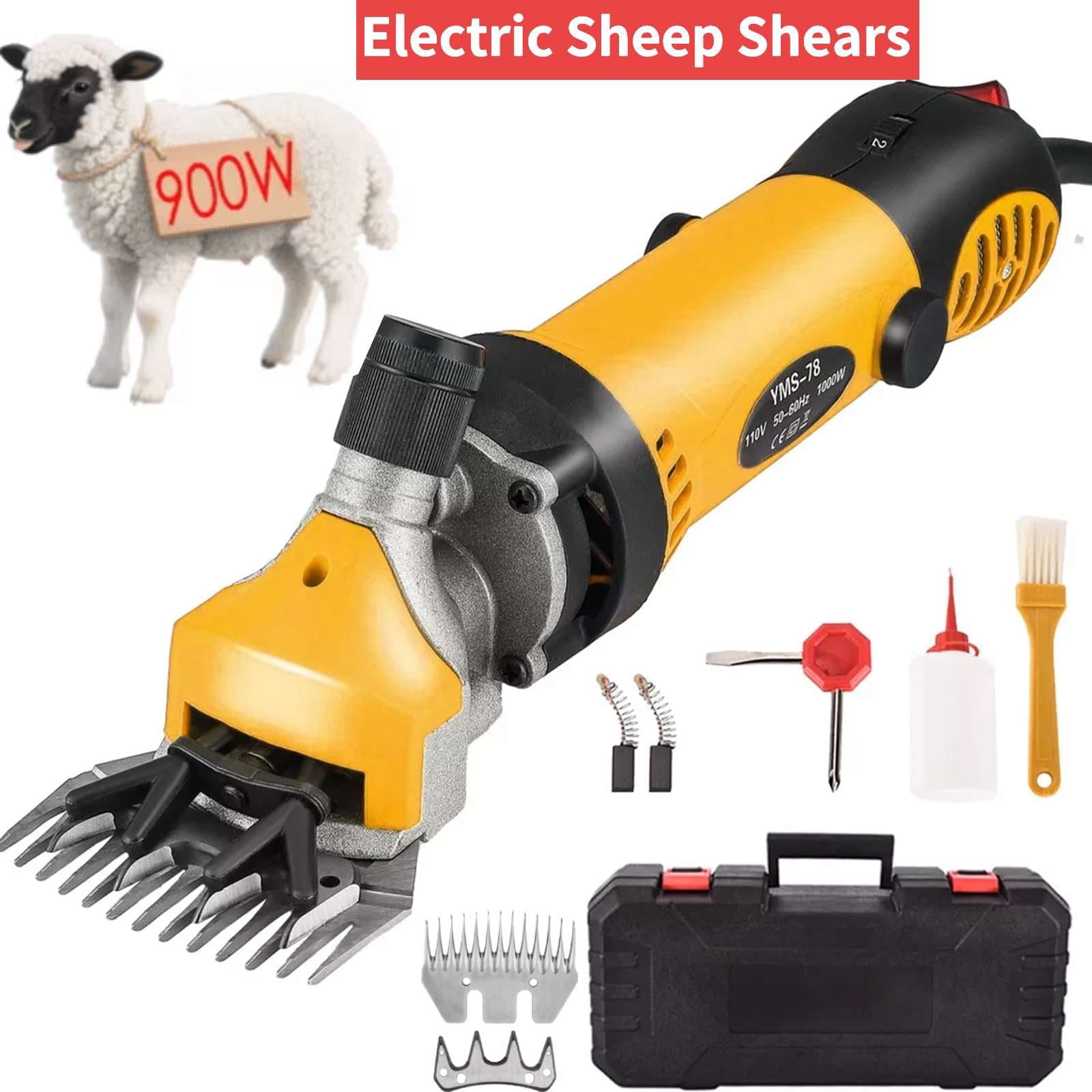
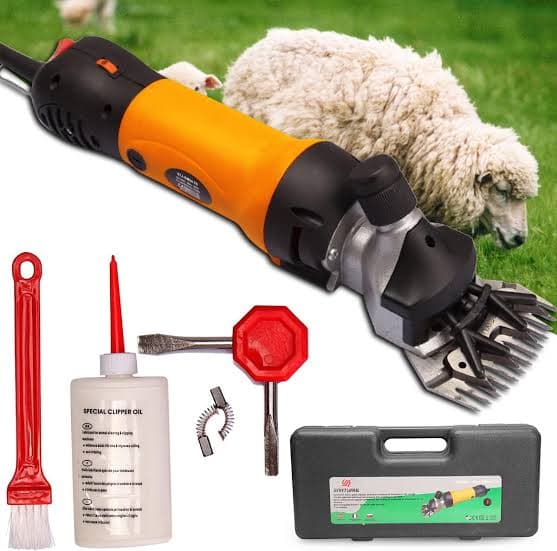
The sheep shearing machine price in Pakistan at Punjab Tools is Rs 14,500 for either of our two electric wool clippers (October 2026): the 6-Speed Wool Clipper Kit and the 900W Electric Sheep Shears Machine. Both are corded 220V machines with variable speed, a carrying case, clipper oil and spare carbon brushes. Pick the 900W model if you want spare blades in the box and shear thick, dirty wool; pick the 6-speed kit if you want clearly numbered speed steps for mixed sheep and goats.
If you have been searching for a "bher ki oon katne wali machine", this is it. Below you'll find what each machine includes, when to shear, how to get animals ready before Eid ul Adha, and how to keep the blades sharp and the motor cool.
Sheep Shearing Machine Price in Pakistan: Our Two Models
| Machine | Power and speed (as listed) | In the box | Price |
|---|---|---|---|
| Professional Electric Sheep Shears, 6-Speed Wool Clipper Kit | 6 speeds, up to 2,400–2,800 RPM, 220–240V | Shearer, cleaning brush, clipper oil, screwdriver, 2 spare carbon brushes, carrying case | Rs 14,500 |
| Professional Electric Sheep Shears Machine (900W) | 900W (1000W peak), variable speed dial, 220–240V / 50Hz, model YMS-78 | Shears, hard case, extra blades, carbon brushes, wrench, oil bottle, cleaning brush | Rs 14,500 |
Both listings mention cooling vents to keep the motor and head from overheating, and both describe the machines as suitable for sheep and goats.
Which Wool Clipper Should You Buy?
The price is the same, so choose by what you shear and what comes in the box.
- Choose the 900W model if you shear thick, unwashed or dusty wool, or a larger flock. Its listing gives the motor power (900W, 1000W peak) and includes extra blades, so you can swap to a sharp set halfway through a long day.
- Choose the 6-speed kit if you clip a mix of sheep and goats and want six clear speed steps, slow for the face, legs and udder and faster for the body. Its listing says replacement blades and maintenance support are available.
On warranty, the 900W listing states a standard manufacturer warranty covering motor and electrical faults; physical damage, blade dulling and misuse are not covered. Blades are a wearing part on any clipper, so budget for sharpening or replacement.
Shop · sheep shears
When to Shear: Seasons and Eid ul Adha
Many flocks in Pakistan are shorn twice a year: in spring, before the summer heat, and again in autumn. The right weeks depend on your breed, your area and the weather, so follow what experienced herders near you do.
Before Eid ul Adha. Eid ul Adha 2027 is expected around mid-May, depending on moon sighting. By then the plains are hot, and a sheep in a full fleece suffers in the heat at the mandi. Shear or trim a week or two before you take animals to market or before Eid, not on the last day. That gives any small nicks time to heal and the coat time to even out, and the animal looks clean and presentable for Qurbani.
Spring shearing. Shear once the cold nights have passed, so the animal isn't left bare in a cold snap.
Don't shear in extreme cold or on wet animals. In winter, and in colder hill areas, a freshly shorn animal loses its protection. If you must trim in cold weather, leave longer cover and keep the animals sheltered. Never shear wet wool: it clogs the comb, strains the motor and is unsafe with a mains machine.
In summer, shear in the cooler morning or evening, and give the animals shade and water afterwards.
Getting Animals and the Machine Ready
- Keep animals dry. If rain is likely, pen them under cover the night before.
- Prepare a clean floor. Sweep the area or lay down a tarpaulin so the wool stays clean and you can see what you're doing. Good light matters.
- Clean the coat where you can. Pull out burrs and lumps of dung. Sand and dirt in the wool blunt blades much faster.
- Check the machine. Blades fitted, oiled and tight enough to cut; cable undamaged; plug in good condition.
- Plan around the power. These are 220V corded machines. Shear when the electricity is on and the voltage is steady, or run from a suitable generator. A home UPS is usually sized for fans and lights, not a 900W motor. Low voltage makes the motor run slow and hot.
- Keep the cable safe. Use a proper, thick extension lead, keep the cable away from the animal's hooves and from water, and use an earthed socket. Our power tool safety guide explains earthing and RCD protection.
- Work in pairs at first. One person holds the animal calmly while the other shears.
Basic Shearing Technique
Shearing well takes practice. These basics make it safer for the animal and easier for you:
- Handle calmly. Move animals quietly and never drag them by the wool or the legs. A calm animal moves less and is less likely to get cut.
- Start slow. Begin at a low speed and turn it up once you are comfortable.
- Keep the comb flat against the skin. Don't dig the comb's teeth in or lift the handpiece at a steep angle.
- Stretch the skin with your free hand. Most nicks happen where skin is loose or wrinkled: the flank, neck, armpits and around the legs. Pulling the skin flat in front of the comb prevents them.
- Use long, smooth strokes. Going over the same patch again and again leaves short second cuts in the fleece and irritates the skin.
- Slow down at sensitive spots. Around the face, ears, udder, teats and genitals, use the lowest speed and short careful strokes, or finish with hand scissors (qainchi).
- Keep the fleece in one piece if you plan to sell the wool, and store it dry.
If you do nick the skin, stop and keep the area clean. For anything more than a small scratch, ask a vet or your local livestock officer for advice.
Goats with thick coats can be clipped with the same machines; the 6-speed kit is listed for sheep, goats and other livestock. Many people find it easier to clip goats standing, tied short, rather than seated like sheep.
Blade and Comb Care: Oiling and Cleaning
Sharp, oiled blades are the difference between a quick, clean shear and a hot machine pulling wool.
- Oil before you start and keep oiling. Put a few drops on the comb and cutter before switching on, then again regularly during the session and whenever the head starts to feel warm or the sound changes. Both kits include oil. Use proper clipper oil, not cooking oil, which turns sticky.
- Brush out the head between animals with the cleaning brush. Packed wool and grease make the motor work harder.
- Know when blades are blunt. The machine starts pulling instead of cutting, you have to push harder, and the animal gets restless. Fit a sharp set rather than forcing it. The 900W kit includes extra blades; blunt sets can be sharpened by someone who does it locally.
- Carbon brushes wear out. Both kits include spares. If the motor sparks more than usual or loses power, check the brushes.
- After the job, unplug, clean the head, dry it, put a light coat of oil on the blades and store the machine in its case away from dust and damp. Never wash the motor body in water.
Overheating: Causes and Fixes
| Cause | What you notice | Fix |
|---|---|---|
| Dry blades | Head gets hot quickly, noise changes | Oil more often |
| Blunt blades | Machine pulls wool and cuts slowly | Change to a sharp set or get them sharpened |
| Wool and grease packed in the head | Weak cutting, hot body | Brush the head clean |
| Blocked cooling vents | Motor body gets hot | Clear dust and wool from the vents |
| Blades set too tight (if your machine has a tension nut) | Drag and heat | Loosen to just enough to cut cleanly |
| Low voltage | Motor runs slow and hot | Shear when voltage is steady, use a thick extension lead |
| Long non-stop running in summer heat | Hot handle | Rest the machine between animals and work in the shade |
A machine that is too hot to hold is uncomfortable for the animal as well as for you. Stop, let it cool, clean and oil it, and check the blades before carrying on.
Our Recommendation
For most farmers and Qurbani sellers, the 900W Electric Sheep Shears Machine at Rs 14,500 is the practical choice because spare blades come in the box. If you clip goats as often as sheep and want six clear speed settings, the 6-Speed Wool Clipper Kit costs the same. Order a few weeks before you plan to shear so you have time to practise.
We deliver from Lahore to villages and cities across Pakistan with cash on delivery, and you can ask questions on WhatsApp before ordering.